Across America, immigration-driven population growth and urban sprawl are steadily pushing people into landscapes that were once intact wildlife habitat.
Forests have been subdivided, foothills laced with roads, and open space converted into housing, trails, and utility corridors.
The result is not only habitat loss, but rising conflicts as wildlife is compressed into smaller, fragmented spaces and is forced to coexist with people who have moved into their historical ranges.
Mountain lions in California provide a stark example. As the state’s population has grown, housing and roads have spread into the wildland–urban interfaces that were once continuous mountain lion habitat. These developments have fragmented territories and have forced lions to hunt closer to human settlements. When people, pets, and livestock occupy these edge areas, encounters rise–leading to conflicts such as pets being preyed upon and, in some cases, lions being killed in response.
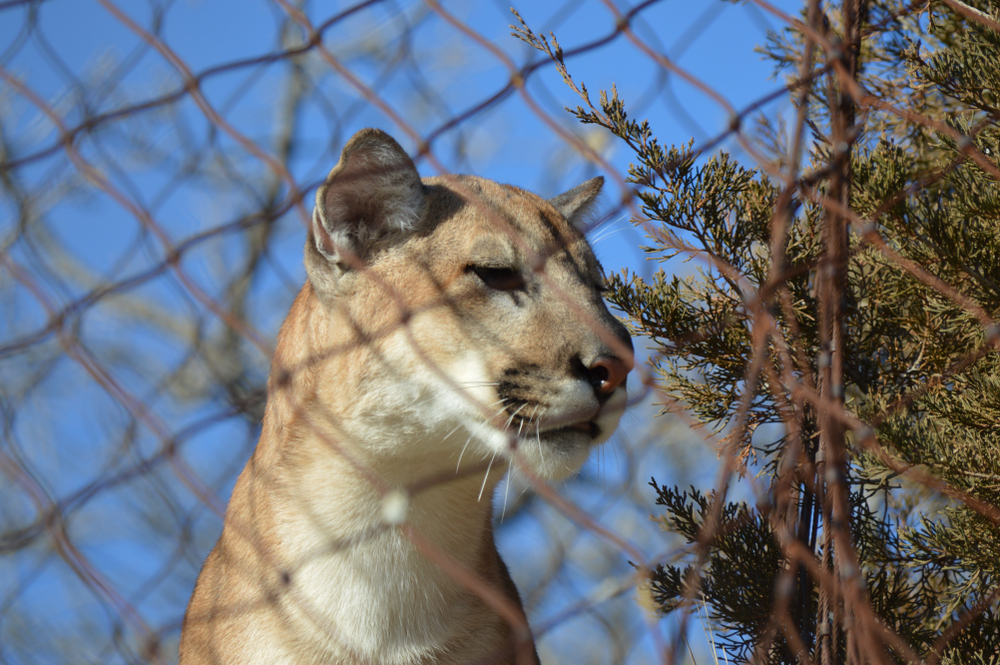
California’s mountain lion population has declined over the years and is estimated at 3,200 to 4,500 today. To put those numbers in perspective, California is home to roughly 6.7 million pet dogs and 7.1 million pet cats.
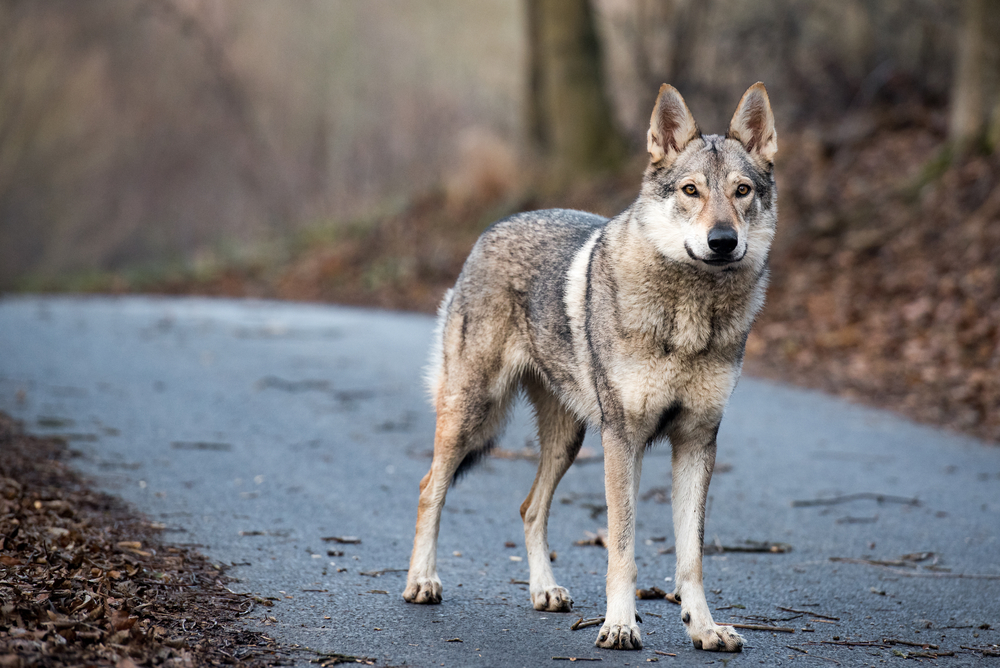
Wolves face a similar situation. Conflicts with livestock and pets have increased in regions where wolves now share space with farms, exurban housing, and recreation areas. In the Great Lakes and parts of the West, disputes over wolf management are driven less by wolf behavior than by land-use patterns that place people and domesticated animals directly within the range of wolves. Even with strong avoidance instincts, wolves have fewer places to retreat as human settlement expands.
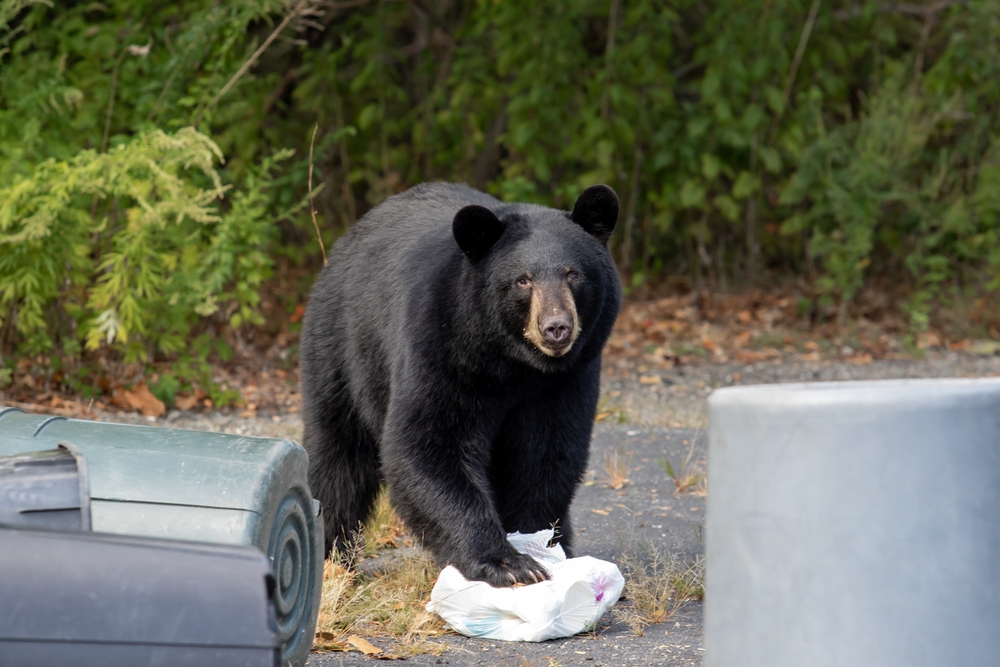
Black bears are another species with an extensive habitat range. Bears have become routine visitors in suburban neighborhoods, drawn by garbage, bird feeders, and backyard compost. These encounters often end with bears being relocated or euthanized–not because they are aggressive, but because development has placed human attractants directly inside their habitat.
When People Move In, Wildlife Have Nowhere to Go
Wildlife conflicts are not as much the result of animals encroaching on humans, but of people expanding into wildlife space. Human population growth narrows migration corridors, reduces buffer zones, and displaces habitat. As a result, encounters that once would have occurred deep in forests or remote valleys now happen in neighborhoods and school zones.
All this is yet another reminder that America is facing a choice: continue pursuing growth through mass immigration; or end the relentless population expansion and protect our remaining wilderness areas and biodiversity. Otherwise, we will witness America’s most magnificent and iconic wildlife being crowded out or extirpated altogether. We can’t let that happen. These animals–mountain lions, wolves, bears, and others–serve to remind us to be responsible stewards of the natural world.
Related Resources


 Facebook
 LinkedIn
 Tweet
Tweet
 Email
Email
 Print
Print
 Videos

 Factsheets
 Articles