Last month, Vice President J.D. Vance argued that a surge in illegal immigration has pushed housing prices beyond reach for many Americans. An average of 2.4 million immigrants per year arrived in the U.S. between 2021 and 2024 — and they all needed somewhere to live. Vance noted that inadequate new home and rental construction also contributed to the problem.
“Under the Biden administration,” Vance said, “the price of a new home literally doubled in four years.” This is true if you combine the 33% increase in retail home prices during this period with the large rise in mortgage rates, doubling the ultimate cost for a new home.
Politicians across the political spectrum agree that America has a housing crisis. Home prices and rents have surged beyond what many households can reasonably afford. Numerous factors have played a role in driving up housing prices, including high interest rates and a focus on high-end building, the most lucrative part of the industry. But housing prices are ultimately a matter of supply and demand.

While business journalists and housing experts tend to focus on supply, the demand side of the equation is equally important in determining housing prices. When the number of families grows faster than the number of housing units, competition for existing housing increases and prices rise. This has happened in many parts of the country over the past four years.
The U.S. experienced a notable immigration surge under the Biden administration, with the foreign-born population reaching a record 53.3 million, the highest level ever, both in absolute numbers and as a percentage of the total population. Millions of new arrivals required housing. Many located in the same metro areas where shortages were already most acute. This added demand tightened vacancies and drove rents up, while pushing actual homeownership even further out of reach for younger and lower-income families.
Some argue that the solution to all this is simple: build more housing. But increasing supply comes with unavoidable trade-offs, depending on where construction occurs.
In older, land-constrained cities — such as Boston, Philadelphia, or New York — there is little open land left. Additional housing means greater density: taller buildings, smaller housing lots, fewer backyard spaces and shade trees, and infrastructure stretched beyond its capacity.
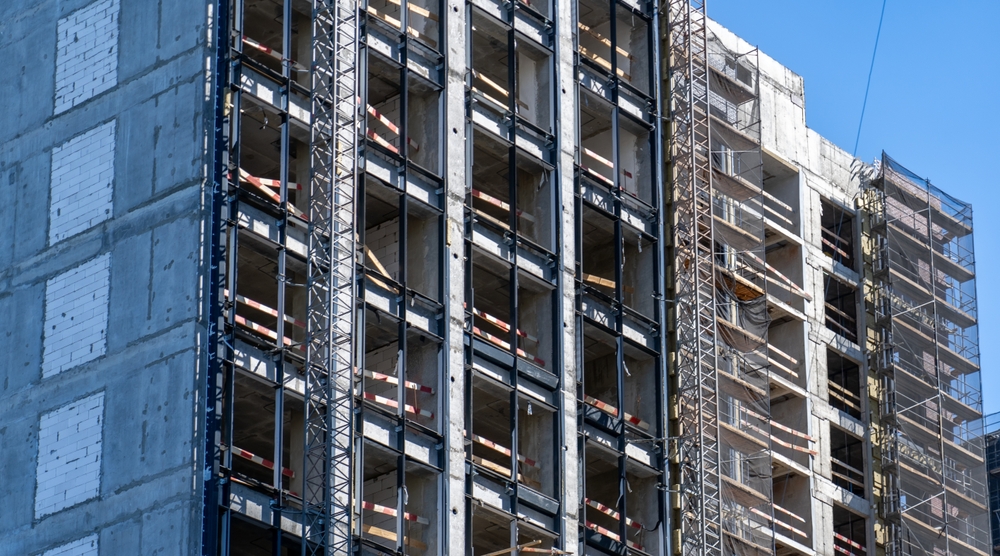
Residents lose sunlight, green space and neighborhood character. Urban life grows louder, more crowded and more stressful. Taxes go up to accommodate more growth. Quality of life diminishes in denser cities, even as affordability improves — at least in theory. In reality, increased density tends to feed on itself, increasing demand even more. Housing prices almost never decline as urban densities increase; instead, they go up, along with the number of people chasing housing vacancies.
In newer, fast-growing metropolitan areas — Phoenix, Atlanta, Dallas, Las Vegas — a different problem emerges. There is land, but expanding housing produces sprawl. Subdivisions creep across deserts, farmland and forests. Traffic worsens and commute times lengthen. Natural ecosystems disappear under concrete; the remnants get smaller and disconnected from one another.
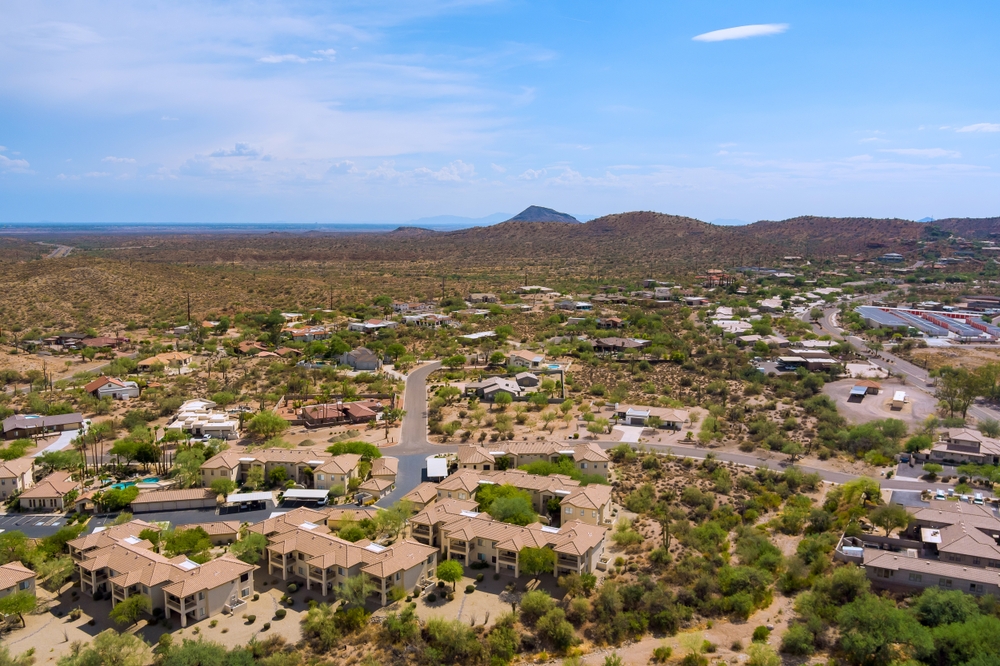
New housing developments create demand for new highways, shopping centers and schools, new sewer pipes and power lines. Taxpayers carry the costs of building all this new infrastructure for decades. Communities gain homes but lose open space, wildlife habitat and flood protection. Metro area populations go up, while their residents’ quality of life declines.
In both cases, more housing solves one problem only by creating others. The missing ingredient in America’s housing debate is demand management. By moderating immigration-driven population growth, the country can relieve pressure on housing markets without sacrificing the livability of existing communities, or paving over open spaces and driving wildlife populations extinct.
If the U.S. continues adding millions more (legal and illegal) residents each year, no amount of building — dense or sprawling — will restore housing affordability. Aligning immigration policy with housing capacity is necessary to maintain Americans’ quality of life. Going forward, reducing immigration will be key to affordability, sustainability and livability in our communities.


 Facebook
 LinkedIn
 Tweet
Tweet
 Email
Email
 Print
Print
 Videos

 Factsheets
 Articles