Voters across the Mountain West region say water shortages are a serious problem–but mass immigration is pushing demand even higher.
The Colorado River’s diminishing flows have become a critical challenge for the Mountain West region. A new survey of voters in eight Western states–Arizona, Colorado, Idaho, Montana, New Mexico, Nevada, Utah, and Wyoming–reflects this deep concern. The 2026 Conservation in the West survey conducted by Colorado College found that 88% of respondents consider inadequate water supplies a serious problem, while 92% say population growth threatens the region’s water quality and supply.
Key Fact:
International migration added 1.44 million residents to Colorado River states from 2020–2024–more than the region’s total population growth.
For more than 100 years, the Colorado River has been the most important water source in the American Southwest. The river supplies water to seven states–Arizona, California, Colorado, Nevada, New Mexico, Utah, and Wyoming. Together these states are home to roughly 62.5 million residents, and about 40 million of them rely on today’s depleted Colorado River for municipal water and farmland irrigation.
From 2020 to 2024, the population of these seven Colorado River states grew by about 1.13 million people. During that same period, international migration added an estimated 1.44 million residents–more than the region’s entire net population increase.
Immigration offset domestic out-migration, leaving the basin states with continued overall growth.
Since around 2000, the Southwest has been experiencing a megadrought, one of the most severe and persistent dry periods in centuries. Rising temperatures, reduced snowpack, and diminished runoff have reduced flows in the Colorado River by 15 to 20%. Reservoirs such as Lake Mead and Lake Powell have fallen to historically low levels.
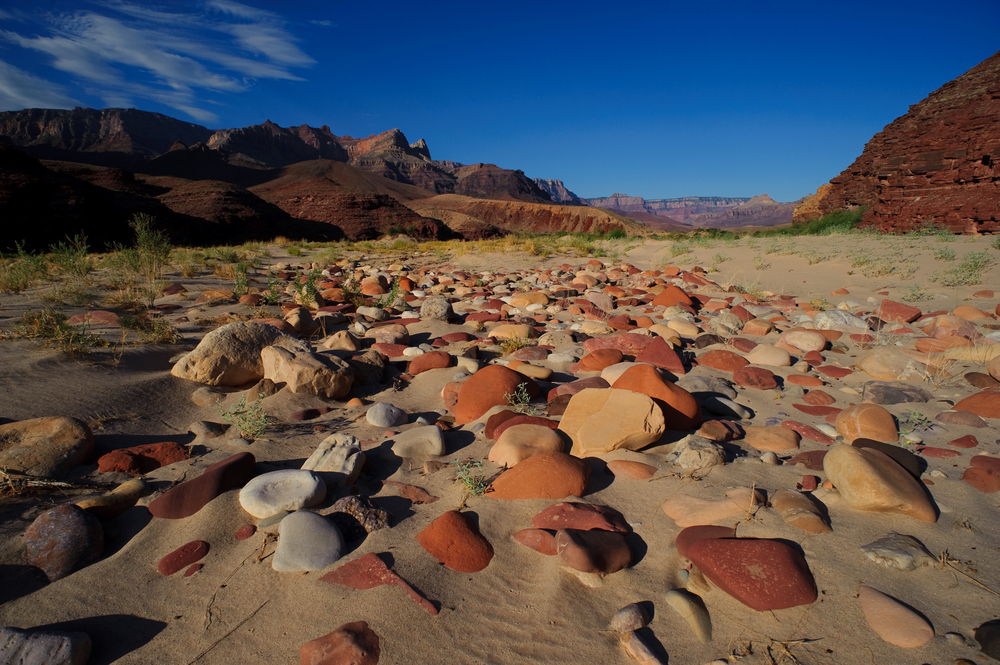
Much of the Colorado River Delta now lies dry, where the Colorado River once flowed freely into the Gulf of California before decades of drought and upstream water withdrawals.
In response, policymakers are considering increasingly costly measures to maintain water supplies. Some proposals involve building additional dams or expanding diversions to capture more flows from tributaries. Other options include reducing agricultural water use, including paying farmers to discontinue farmland. Another idea is large-scale desalination, potentially treating seawater from the Pacific Ocean or the Sea of Cortez and piping it inland.
These drastic proposals reflect a central dilemma: water demand continues to rise while the available supply declines. Building more dams and diversions–or taking water away from farms–may provide temporary relief, but these strategies come with significant economic and ecological costs.
If current trends continue, the Colorado River system will lose its remaining resilience to withstand further dry periods. The combination of declining flows and rising demand threatens the region’s rivers, wetlands, fish, and wildlife.
If immigration levels in the region were lower, there would be far less urgency to expand water supplies. Yet historically-high immigration rates are driving planners toward costly and environmentally damaging measures to meet rising water demand. Reducing nationwide immigration would ease growth pressure on the Colorado River system and help preserve the balance between people, ecosystems, and limited water supplies. The same dynamic is playing out in water-constrained regions across the United States.

The white “bathtub ring” around Lake Mead marks former high-water levels before the Colorado River Basin’s 25-year megadrought.
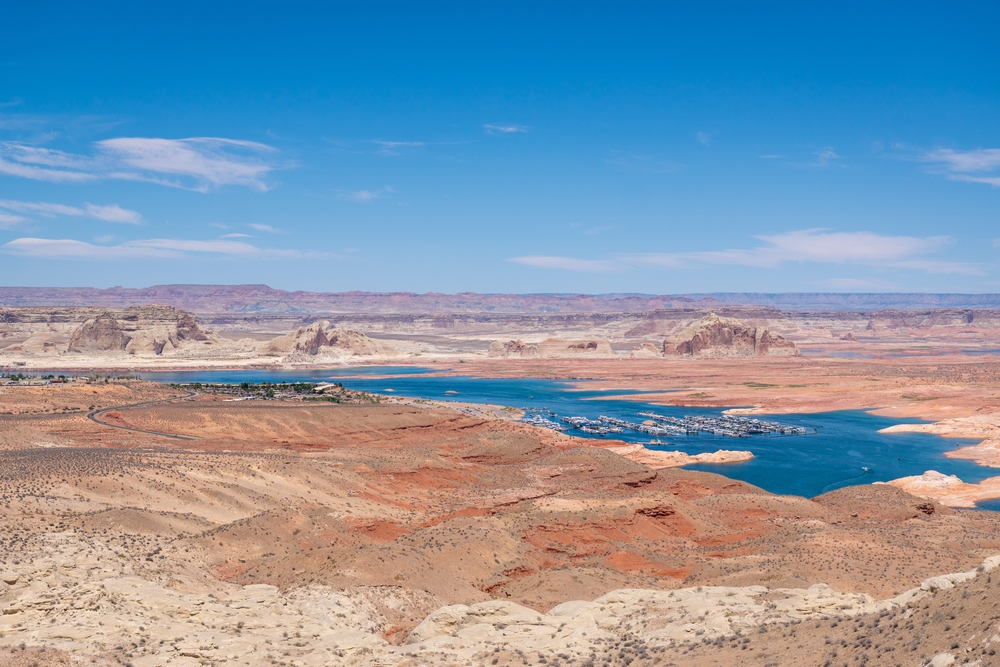
A reduced marina at Lake Powell reflects the dramatic decline in water storage across the Colorado River Basin.
Related Resources


 Facebook
 LinkedIn
 Tweet
Tweet
 Email
Email
 Print
Print
 Videos

 Factsheets
 Articles