
 Published by
Henry Barbaro
Published by
Henry Barbaro
Earth Day was founded as a distinctly American movement with a clear and urgent purpose: to protect the nation’s land, air, and water from visible and worsening damage. The first Earth Day 1970 was not a celebration to raise global awareness–it was a response to polluted rivers, choking smog, vanishing wildlife, and rapid development spreading across the American landscape.
Organized by Gaylord Nelson, the early Earth Day movement focused squarely on problems Americans could see in their own communities. Industrial waste flowed into waterways. Highways cut through neighborhoods and open space. Suburban expansion consumed farmland and forests. The environmental message was direct: protect what remains before it disappears.
At the time, population growth was not treated as a sensitive or secondary issue. It was central to the conversation. Influential works such as The Population Bomb shaped public understanding by linking rapid population increases to rising pollution, resource depletion, and habitat loss. The connection was straightforward and widely accepted–more people meant more land developed, more water consumed, and more waste produced.
This early focus led to tangible action. Within eight months of the first Earth Day, the U.S. Environmental Protection Agency was established, and the Clean Air Act was strengthened. Two years later the Clean Water Act was enacted. These were targeted efforts to clean up America’s environment and preserve its natural resources.
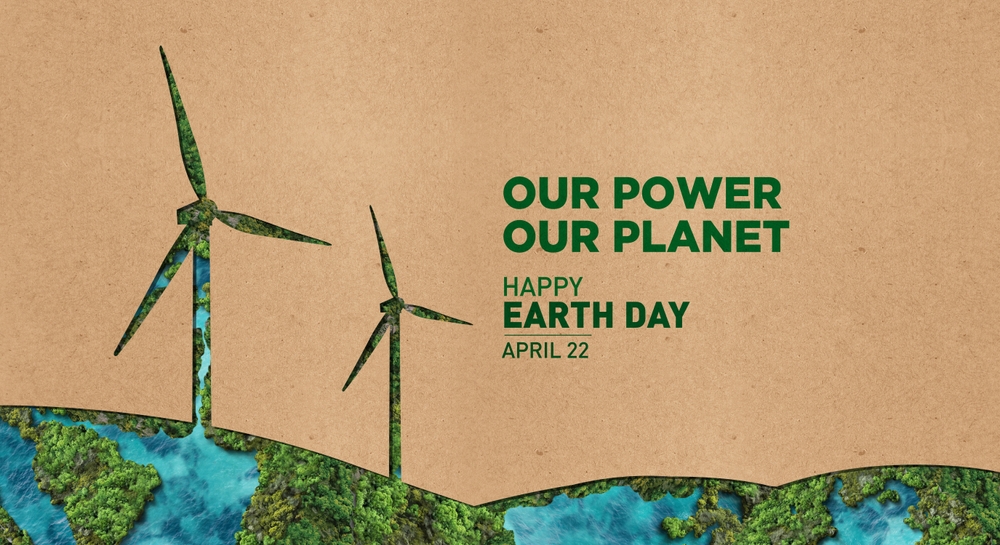
Over time, however, Earth Day’s message has shifted. Under the 2026 theme, “Our Power, Our Planet,” Earth Week events from April 18–26 emphasize global energy use, renewable technologies, and climate awareness. These are important issues, but they reflect a broader, more generalized message–one that takes attention away from environmental degradation here at home.
This has been a deeply unfortunate shift. In the United States, the environmental effects of population growth, driven by immigration, are very real. They are visible in the steady spread of development into open space. Forests and farmland continue to give way to housing projects and roadways. Urban sprawl extends farther outward, increasing traffic, air pollution, and land consumption.
Biodiversity declines as habitats are fragmented or eliminated altogether. Water systems are strained by growing demand and polluted by runoff from expanding development. Aquifers are drawn down while rivers and streams carry increasing loads of contaminants. These are the same types of problems that motivated the first Earth Day–only now they are more widespread and more difficult to reverse.
Population growth also drives construction into areas that were once avoided. Floodplains, wetlands, desert regions, steep hillsides, and fire-prone landscapes are increasingly developed to accommodate demand. As these natural buffers are lost, communities face greater exposure to flooding, wildfires, and other extreme events. The land itself becomes less resilient and unable to absorb even predictable impacts that it once handled naturally.
Meanwhile, the idea of rewilding–restoring large, connected natural areas–becomes harder to achieve. Each year, more land is committed to permanent development. As America’s population continues to climb, opportunities to set aside meaningful expanses of habitat shrink.
Earth Day is more than spinning up global slogans and green products to mollify the revelers attending festivals. Its original purpose was to draw attention to the condition of America’s environment and to rally action to protect it. That focus has faded as the message has broadened and drifted away from the tangible, worsening problems at home.
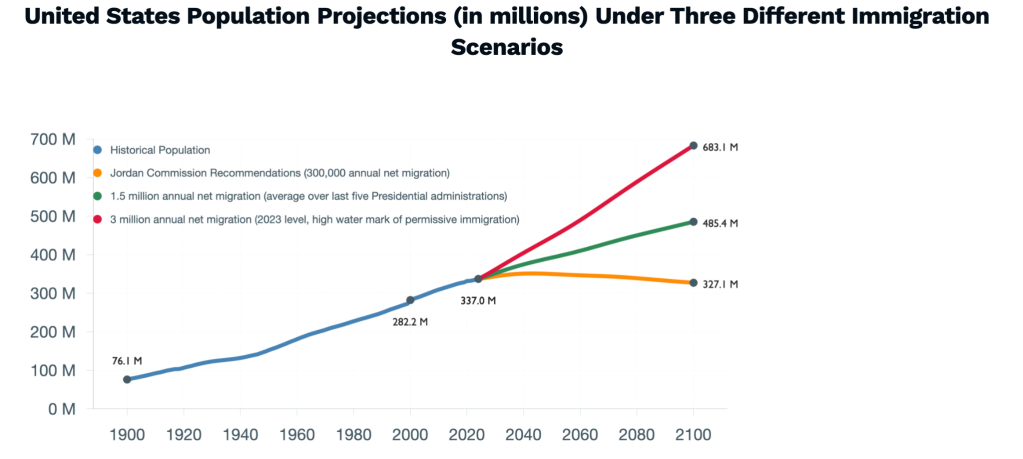
Earth Day needs to return to its roots by focusing attention on the ongoing and irreparable damage to nature in America–where development consumes land, depletes water resources, and steadily erodes natural areas. It also means revisiting a topic that was once openly discussed: the role of population growth in driving these changes.
The early Earth Day movement spoke plainly about the consequences of ignoring limits to population growth, including immigration. Restoring that clarity would return Earth Day to its original purpose: raising awareness that authentic sustainability requires stabilizing our population growth while protecting the natural systems that sustain life in America.
Find the latest updates and actions on your Action Board.
Related Resources
 Articles
April 2, 2019


 Facebook
 LinkedIn
 Tweet
Tweet
 Email
Email
 Print
Print
 Videos
 Factsheets