The border is secure and illegal migration is down. So, do we still need to be concerned about immigration?
The answer is an emphatic yes.
Due to federal policy choices — most notably “chain migration” — legal immigration now averages about 1.1 million people per year, far exceeding the levels recommended by the bipartisan Jordan Commission in the 1990s. This rate of growth has profound consequences.
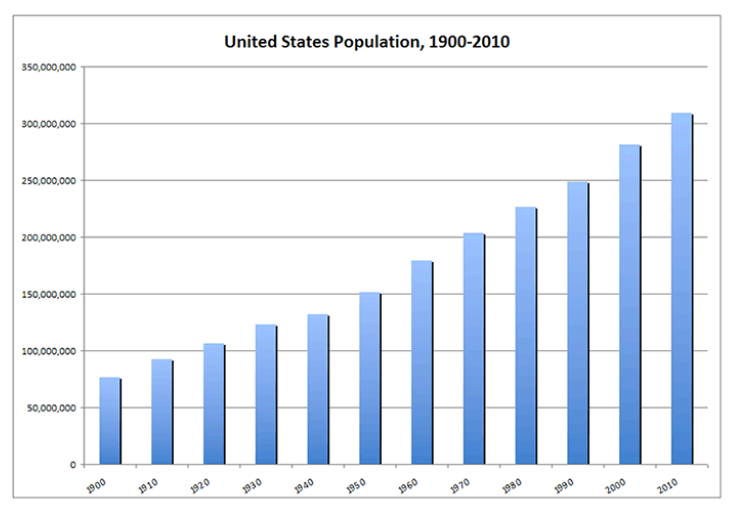
Americans are often told that immigration is necessary to sustain economic growth or to provide care for an aging population–as if immigrants themselves will not age. A continuously expanding population in a finite nation with limited land and resources is not environmentally sustainable, and is steadily eroding Americans’ quality of life.
There are various ways our rapid population growth, driven by immigration, affects our nation. When looking at the whole picture, it seems counterintuitive for Americans to make all the sacrifices necessary to absorb more than a million immigrants every year.
The limited economic benefits associated with mass immigration should be weighed against the many costs that affect everyday life. Growth advocates rarely acknowledge the cumulative burdens placed on taxpayers, communities, and the natural environment by sustained population growth.
Below is an abbreviated list of financial, environmental and social costs wrought on by our nation’s immigration-driven population growth.
Fiscal impacts. Much of today’s immigration is concentrated among low-income households whose tax contributions do not fully offset the public services they consume, shifting costs onto taxpayers. The estimated cost of illegal immigration alone costs roughly $150 billion a year, diverting resources that could otherwise support infrastructure upgrades, environmental restoration, or land conservation for future generations.

Environmental degradation. Nearly every environmental problem — air and water pollution, water scarcity, habitat loss, farmland conversion, biodiversity decline, and waste accumulation — is worsened by population growth. Without stabilizing population levels, conservation efforts are overwhelmed by ever-rising consumption.
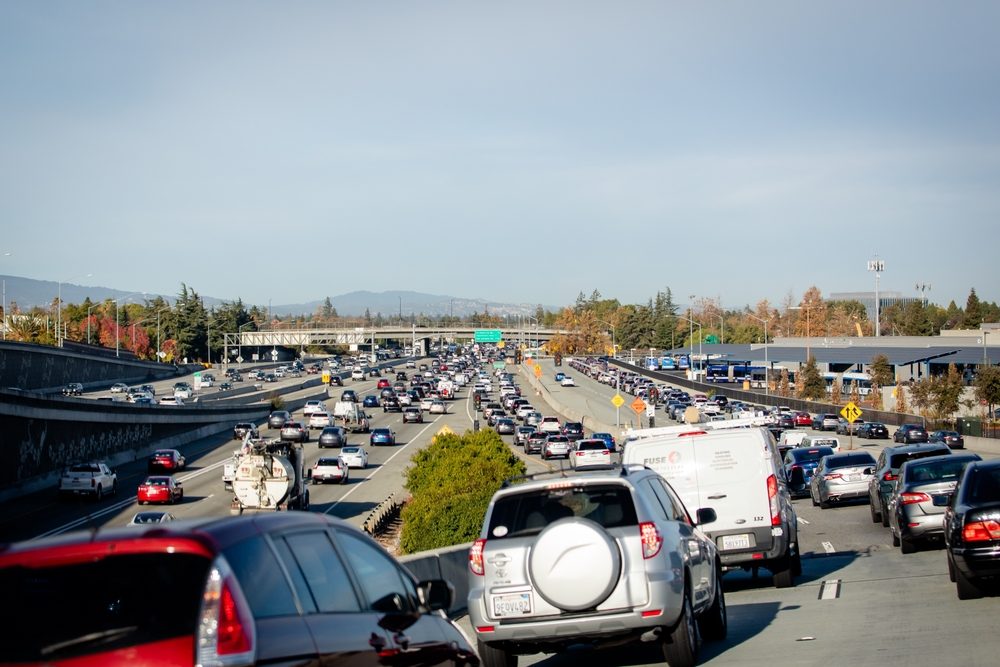
Inadequate Infrastructure. Population growth magnifies traffic congestion, strains water supplies, burdens sewage and waste systems, and necessitates costly expansions of highways, power plants, schools, hospitals, and transit systems — costs ultimately borne by taxpayers.
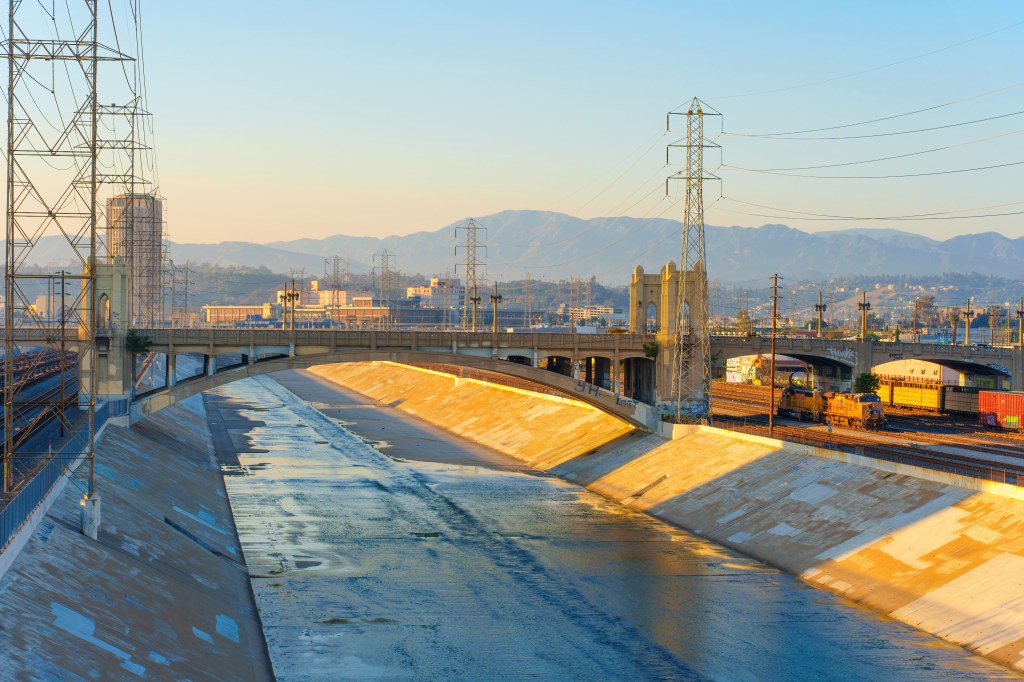
Loss of natural beauty and quality of life. Reverence for nature’s grandeur is one of America’s most distinctive values. Americans treasure open space, wildlife, and access to nature. But as more and more people seek recreation and respite, we are losing our ability to enjoy nature’s beauty as parks, beaches, and scenic areas become overcrowded.
By admitting a record net 8 million migrants in four years, the Biden administration proved that too much immigration is not good for our country. A crush of poor migrants overwhelmed schools, hospitals, shelters, and state budgets. Taxpayers are still absorbing the costs.
America now has more than 53 million foreign-born residents, nearly 16% of the population — levels never before seen in our history. An immigration slowdown is needed to allow assimilation and restore balance and stability to our country.
This population growth is also intensifying the housing affordability crisis, worsening biodiversity loss — with more than 1,300 species endangered or threatened — and pushing ambitious rewilding and conservation goals further out of reach.
America has an opportunity to lead by example. We can demonstrate that economic prosperity does not require mass immigration. We live in a world of limits — and must act responsibly.
For 2026, NumbersUSA is promoting immigration policies to humanely reduce immigration to levels we can sustain — our Six Great Solutions. One key bill is the Nuclear Family Priority Act (H.R.2705 / S.1328) which limits immigration to immediate family members.
Visit our Action Board to ask your Congressional Representatives to support this important legislation. And to learn how your U.S. Senators and U.S. Representative have voted in recent years on immigration, see our recently revised Congressional Grade Cards.
Related Resources
 Videos
 February 22, 2024


 Facebook
 LinkedIn
 Tweet
Tweet
 Email
Email
 Print
Print
 Factsheets
 Articles