
 Published by
Philip Cafaro
Published by
Philip Cafaro
Overall environmental conditions in the United States deteriorated in 2025, as the nation continued to add more people to already overburdened ecosystems. As the U.S. population reaches 345 million, the country’s environmental problems increasingly reflect a basic mismatch between human numbers and ecological capacity. The bad environmental news of 2025 makes clear that without confronting population scale directly, environmental policy will remain largely reactive and insufficient.
At NumbersUSA, we work to reduce immigration levels in order to slow U.S. population growth, because population size is a fundamental environmental variable. Immigration is now the primary driver of U.S. population increase, and continued growth magnifies every environmental challenge we face. Our mission is grounded in the conviction that environmental sustainability, wildlife protection, climate resilience and quality of life all depend on stabilizing the U.S. population.
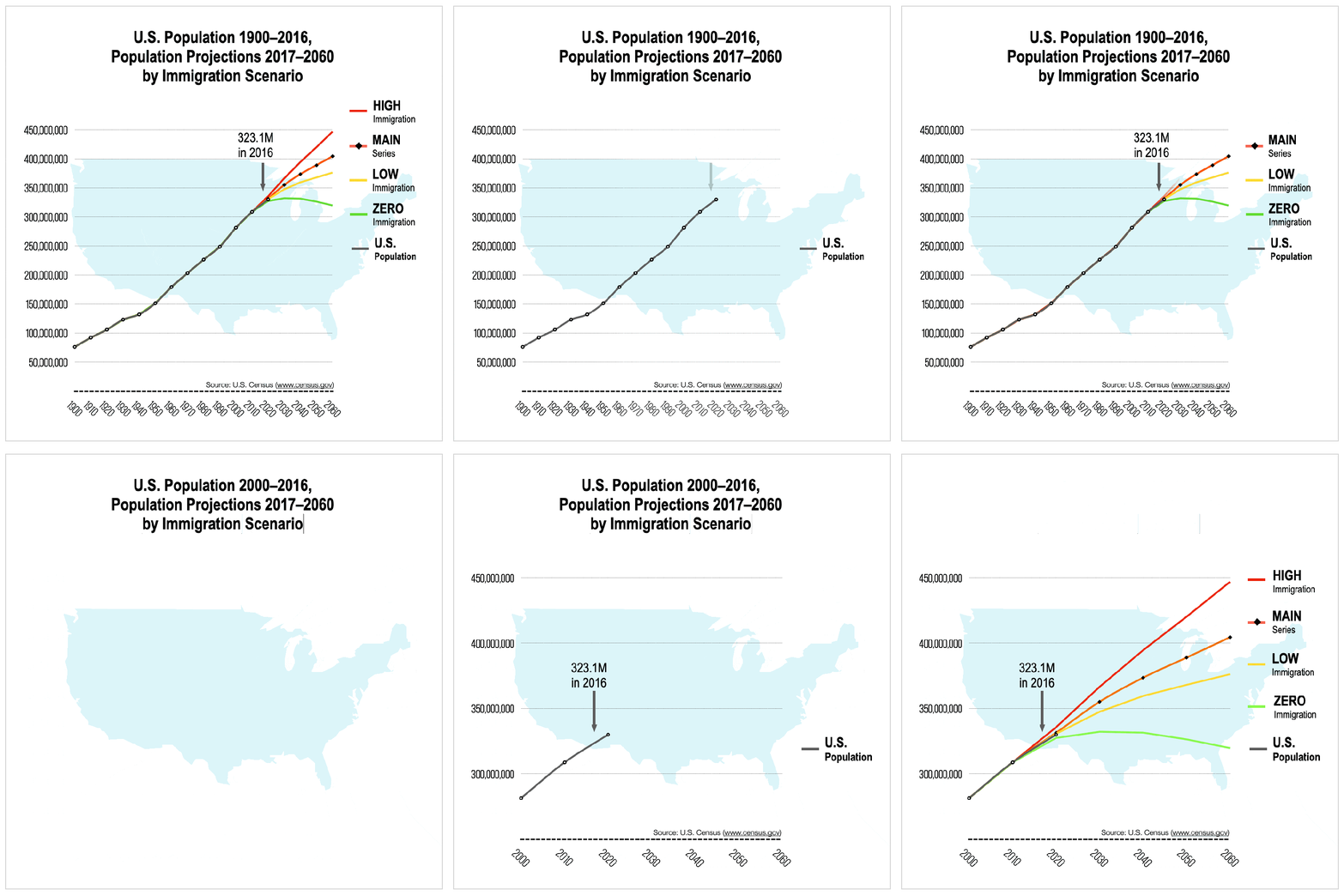
According to the U.S. Census Bureau, the U.S. population continued to grow throughout 2024–2025, adding several million more residents annually. Even at relatively low growth rates, this absolute population increase matters.
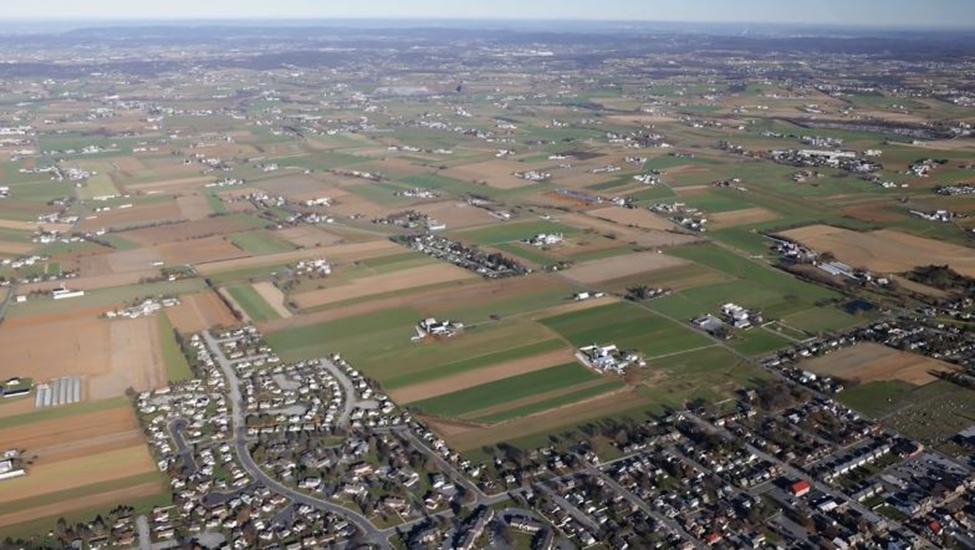
Each additional million people require a lot more housing, transportation infrastructure, food production, water withdrawals, energy use and waste disposal. In a nation whose most productive lands and waters are already intensively used, incremental growth translates into cumulative ecological loss. Analyses published in 2025 document continued population-driven infrastructure expansion and wildlife habitat loss across the United States, along with increased resource use and pollution.
In 2025, the United States experienced another year of severe climate-driven disasters, including record-breaking heat waves, destructive floods, prolonged droughts and immense wildfires. These events caused tens of billions of dollars in damages and significant loss of life.

Climate change increased the physical intensity of these hazards, but population growth largely determined their social and environmental toll. More Americans now live in floodplains, wildfire-prone forests, arid regions and exposed coastal zones than at any time in the past. Development to accommodate population growth has replaced wetlands, forests and open land that once buffered floods, moderated heat and absorbed fire.
Research published in 2025 links population-driven land conversion directly to increased vulnerability to climate extremes. Heat waves illustrated this dynamic especially clearly. Dense urban populations intensify the urban heat island effect, strain electrical grids and increase mortality among vulnerable residents. These outcomes reflect not only warming temperatures but the concentration of large human populations in already stressed environments.
Water scarcity was among the most consequential environmental problems in the United States in 2025. In the Colorado River Basin, long-term drought combined with chronic over-allocation continued to threaten water supplies for tens of millions of people in Arizona, California, Nevada and neighboring states.
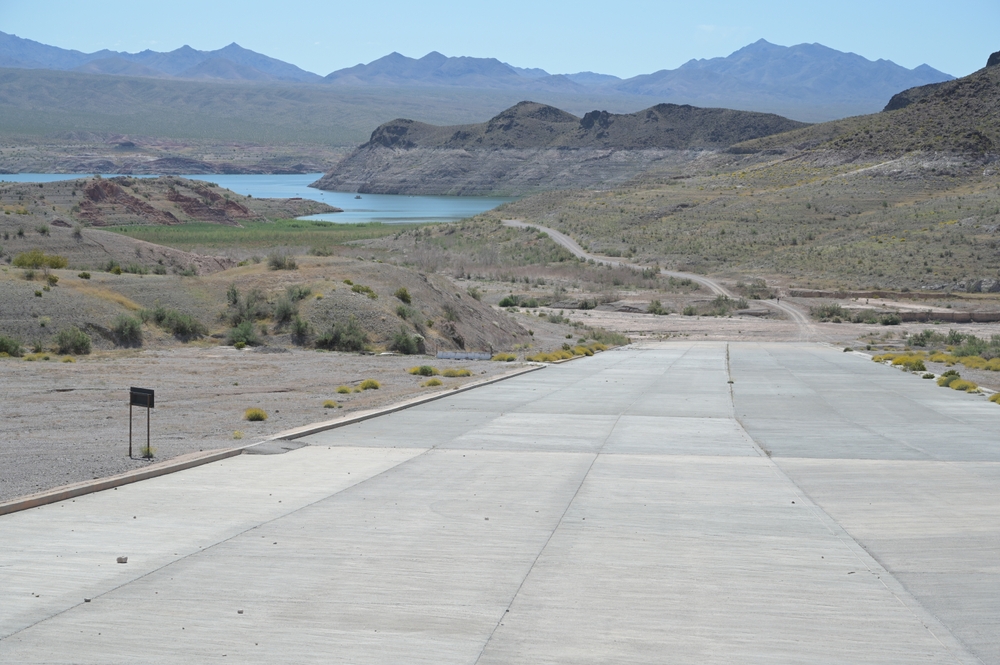
The underlying problem is arithmetic. The Colorado River was divided among users when the Southwest supported far fewer people. Today, population growth has pushed demand well beyond what the river can reliably provide. Similar pressures affected groundwater systems across the Great Plains and Intermountain West, where aquifers are being depleted faster than they can recharge to support growing cities and intensive agriculture.
Analyses published this year document how rising populations increase both water demand and pollution loads, accelerating hydrological decline.
The 2025 wildfire season again revealed the environmental costs of expanding human settlement into fire-adapted ecosystems. Millions of homes are now located in the wildland–urban interface, a direct result of population-driven housing demand.
As population growth pushes development outward, natural fire regimes are disrupted. Forests accumulate fuel, ignition sources multiply and fires become more destructive and more expensive, both to fight and to recover from. In this context, wildfire risk is not merely a climatic phenomenon but a predictable consequence of placing too many people and structures in fire-prone landscapes.
Biodiversity continued to decline across the United States in 2025. Grasslands, wetlands, forests and freshwater ecosystems were further fragmented by roads, housing developments and agricultural expansion. The U.S. Fish and Wildlife Service continues to identify habitat loss as the leading cause of species endangerment.
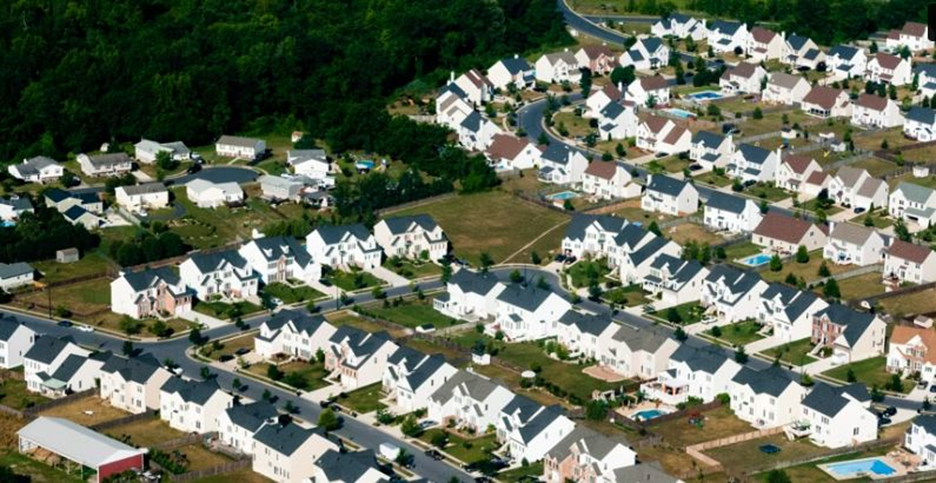
Population growth drives habitat loss by converting open space into human-dominated landscapes. As metropolitan regions expand, remaining wildlife corridors are narrowed or eliminated, leaving many species with insufficient territory to survive. Recent analyses document the tight relationship between population growth, land conversion, and species decline in the United States.
Even where per capita pollution declined in the U.S., total environmental impact often increased because population growth raised aggregate consumption. More people meant more vehicles, more freight movement, more wastewater, more plastic waste and greater overall energy demand.
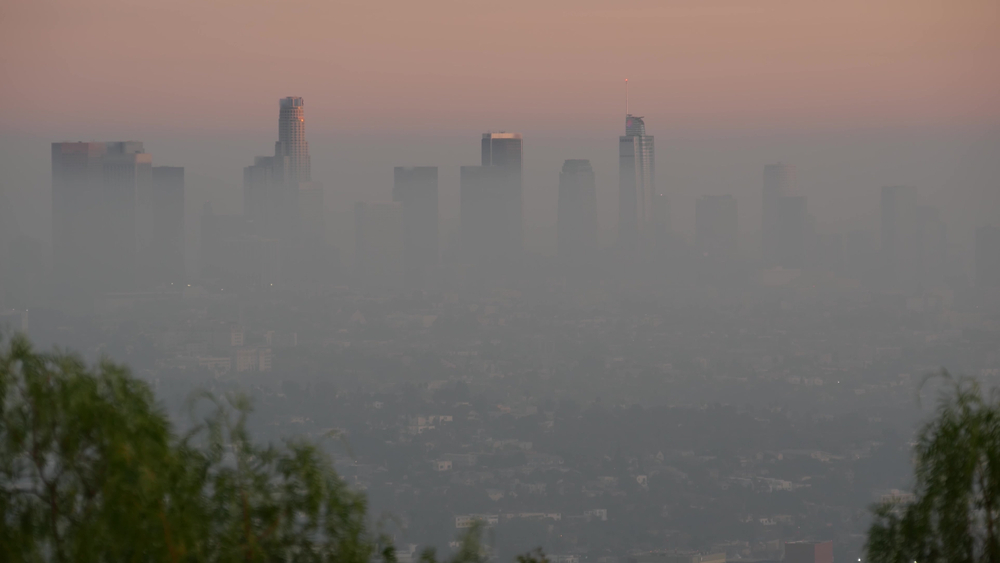
In several metropolitan regions, air quality improvements stalled as population growth increased vehicle miles traveled and overall energy use. Analyses published this year link the slowing of air quality gains to rising population-driven demand that overwhelmed technological efficiency improvements.
Public awareness of the link between population growth and environmental decline increased in 2025. A Rasmussen Reports survey of residents in the Chesapeake Bay watershed found strong concern about habitat loss, water pollution and development pressure in environmentally sensitive regions.
Such concerns reflect Americans’ lived experience. Despite elite arguments that growth will solve all problems, American citizens increasingly recognize that environmental degradation accompanies relentless development and crowding.
Readers who wish to explore how population growth may shape future environmental conditions can construct their own U.S. population projections using an interactive population projection tool available online. It allows users to adjust assumptions about fertility, mortality, and immigration and observe how different demographic choices affect total U.S. population size over coming decades.
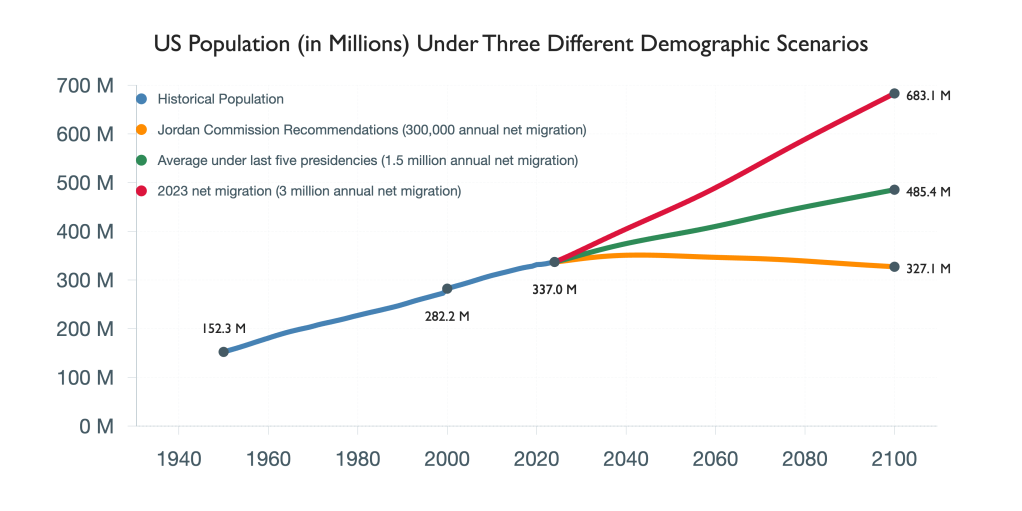
Try it out! This interactive tool makes clear that future population growth is not inevitable, but depends on policy choices, especially immigration policy. By experimenting with alternative scenarios, readers can consider how different population trajectories would influence pressures on land, water, energy systems, and ecosystems.
Engaging directly with demographic projections helps clarify the importance of population policies. It also underscores the point that environmental outcomes are shaped not only by how societies manage resources, but by how many people those resources must support.
The environmental bad news of 2025 underscores a conclusion that NumbersUSA has long emphasized: continued population growth undermines environmental protection in the United States. Climate resilience, water sustainability, wildfire management, pollution control and biodiversity conservation all become more difficult as human numbers increase on a finite landscape. The evidence shows that how many people live on the land matters as much as how they live.
In the coming year, NumbersUSA will continue lobbying Congress to reduce immigration levels. We will continue to bring demographic realities back into environmental policy discussions, through our articles, sprawl studies, and presentations to the general public. Limiting population growth is not a complete solution to our environmental problems — but without it, durable solutions will remain out of reach.
If you value this work, please consider donating to NumbersUSA. We value your support!
Thank you for your continued engagement, and for helping us advance a vision of environmental sustainability grounded in recognition of ecological limits.
Related Resources


 Facebook
 LinkedIn
 Tweet
Tweet
 Email
Email
 Print
Print
 Videos

 Factsheets
 Articles