Each Thanksgiving, we say we’re “going home for the holidays.” But more and more, it feels like we’re running the gauntlet through an endless traffic jam. The culprit? Rampant population growth.
This year’s Thanksgiving travel made that painfully clear. AAA projected 82 million Americans would travel at least 50 miles from home for the holiday period in 2025, a new record. Roughly 90% were expected to go by car. What once was a simple drive to see family has become an hours-long test of patience, with precious time burned behind a sea of brake lights, instead of spent around the table.

In some areas, the delays have been staggering. This Thanksgiving many Pennsylvanians were stuck in massive traffic jams, particularly in the greater Philadelphia region. Drivers reported return trip journeys on major corridors that took 85 percent longer than normal. Adding to the crush, the Philly metro area has a foreign-born population of half a million drivers.
On Michigan’s highway I-75 through metro Detroit and on the interstates leading to Grand Rapids and Ann Arbor, holiday travel slowed to a crawl. In California, forecasters warned that the 55-mile stretch of Highway 101 from San Francisco to Santa Rosa could slow to a top speed of 20 m.p.h., stretching a routine hour-long drive into a 3-hour slog.
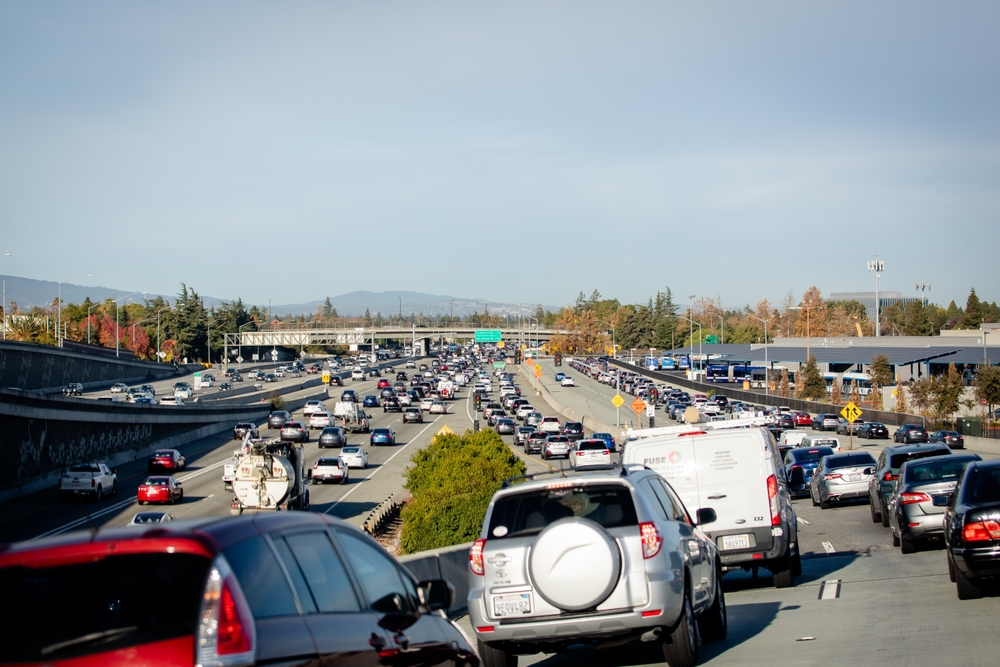
In Pennsylvania, Michigan and California, traffic delays cost billions of dollars in lost productivity, wasted fuel and added shipping costs every year. Traffic congestion causes more stress and fewer shared moments with family — especially during holidays. Multiplying that by millions of similar trips across the country presents a stark picture of how much traffic congestion is eroding Americans’ quality of life.
Holiday jams aren’t accidents — they’re what happens when a country has already hit its traffic capacity yet keeps adding more drivers. In 1980, the United States had 227 million people and roughly 156 million registered motor vehicles. Today, our population is 343 million, and the number of registered vehicles has ballooned to 285 million. More people, more cars, more miles driven — often on roads that haven’t expanded to keep pace with the sheer number of users.
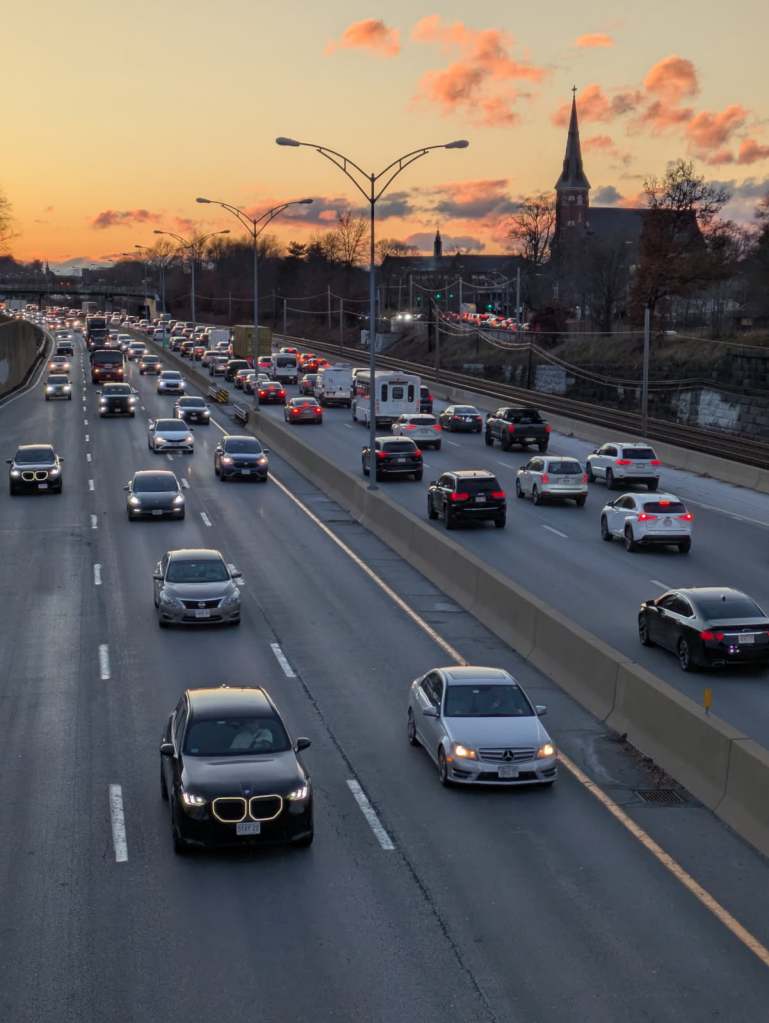
Compared with 1980, a typical long-distance Thanksgiving car trip in or near a major metro area is much worse. Travel times that were merely “slower than usual” a generation ago are now two to four times slower.
The fallout from overcrowded roads isn’t limited to the holidays. Analysts estimate that in 2024 the average U.S. driver lost 43 hours to congestion — more than a full workweek — costing the nation billions in lost time and productivity. On Thanksgiving week, those everyday delays get magnified.
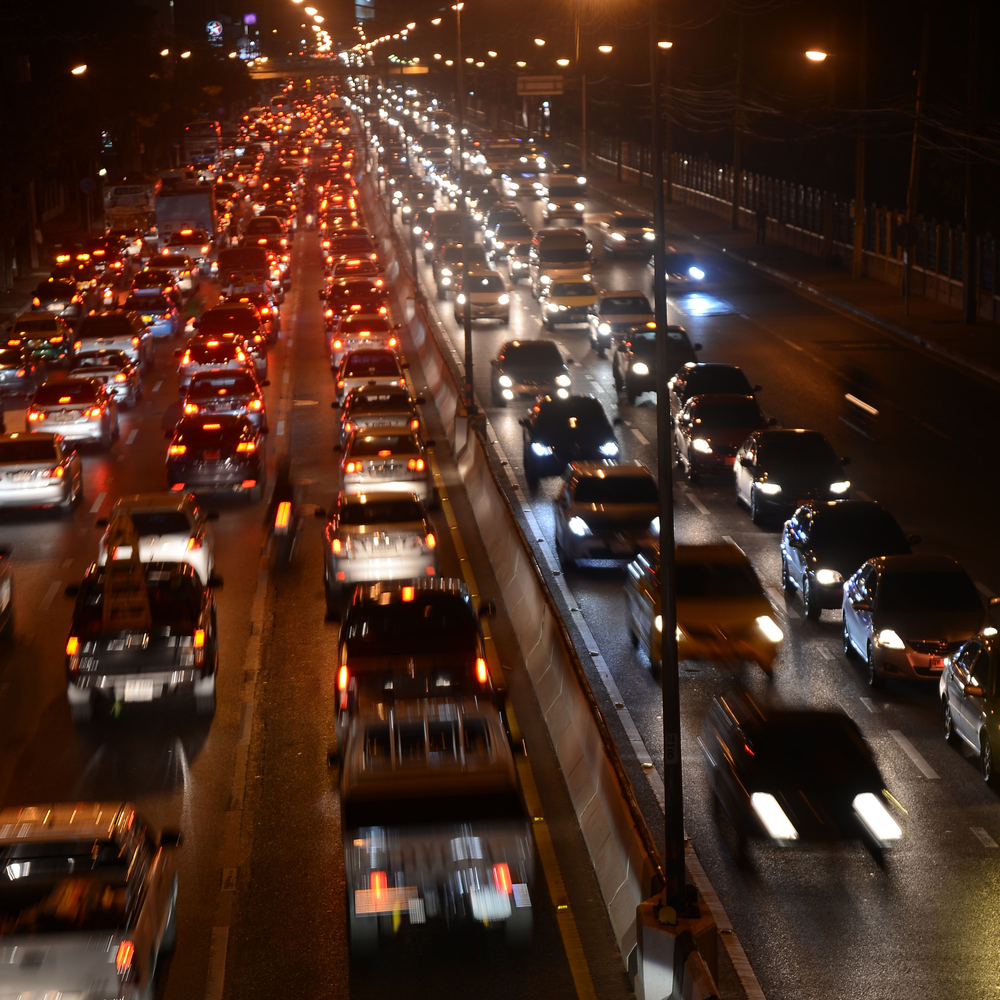
But the most important cost isn’t measured in dollars. Those 43 lost hours represent missed dinners, shortened visits, and exhaustion replacing relaxation. A four-hour Thanksgiving drive that morphs into seven doesn’t just delay the turkey; it shortens the only window some extended families have to see one another all year.
Population growth — now largely driven by immigration — erodes our quality of life. As more people compete for limited travel lanes, congestion is the predictable result. Over time, it quietly eats into the one thing we can’t manufacture more of: time with the people we love.
Population growth has fueled America’s worsening traffic congestion and the daily frustrations that come with it. As communities add residents and vehicles, everyday travel shifts from an inconvenience into a social and economic burden. Unless we reduce our historically high immigration rates, traffic congestion will only get worse.
Related Resources


 Facebook
 LinkedIn
 Tweet
Tweet
 Email
Email
 Print
Print
 Videos

 Factsheets
 Articles