Since 2000, the United States has undergone rapid population growth, particularly across the Sunbelt. A substantial share of this increase has been driven by international immigration. In at least 38 states, immigration accounted for half or more of population growth between 2023–2024. In major metropolitan areas such as Atlanta, Dallas–Fort Worth, Houston, Phoenix and Las Vegas, the foreign-born share of growth reached 40–55%.
America’s high immigration levels have caused regional populations to surge, increasing demand for housing, highways, airports, commercial districts, public services and supporting infrastructure. Because development patterns in the Sun Belt tend toward low-density, land-intensive suburban expansion, population growth translates directly into extensive forest clearing and forest fragmentation.
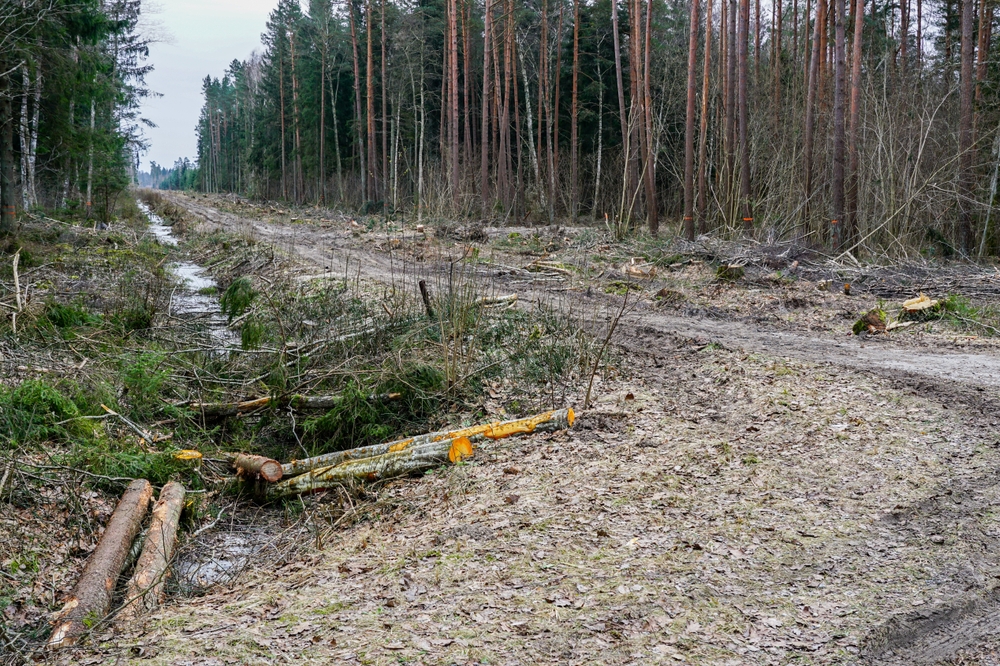
The population-environment link is direct and undeniable.
Forests are a kind of natural infrastructure that provides public benefits without public expense. One of their most critical roles is water regulation and watershed protection. Forest soils act as natural filters, retaining rainfall, capturing sediment and absorbing pollutants before water enters rivers and aquifers. Their ability to slow runoff reduces flooding and maintains consistent streamflow during dry periods.
When forests are cleared for subdivisions and commercial development, this hydrologic buffering disappears. Rainfall rushes over rooftops, parking lots and roadways, causing flash floods, eroding streambanks and sending heavy sediment loads downstream. Water utilities must then spend more on chemical treatment, filtration and sediment removal. In places like Georgia’s Piedmont, central Florida and East Texas — regions already strained by rapid growth — declining forest cover has increased water-treatment expenses and amplified downstream flooding.
Forests also provide significant air purification benefits. Tree canopies filter particulate matter, ozone, nitrogen oxides and other pollutants that worsen asthma, cardiovascular disease and respiratory illness. As expanding metro regions cut down surrounding forest buffers, a natural air filter becomes lost right when traffic emissions, industrial output and summertime ozone levels rise. Reduced canopy directly correlates with worsening public health, especially for children and seniors.
Another essential benefit of forests is temperature moderation. Through shading and evapotranspiration, forests cool surrounding landscapes. This reduces peak temperatures and lowers energy demands. Sprawling development replaces these cooling mechanisms with heat-absorbing materials — concrete, asphalt and dark rooftops — intensifying urban heat islands. This is especially consequential in the Sun Belt, where extreme heat waves are increasing. Canopy loss contributes to higher electricity bills, greater strain on electrical grids and increased heat stress on people and animals, both wild and domestic.
Beyond their climatic and hydrological functions, forests play a critical role in sustaining pollinators and wildlife habitat. Forest edges, flowering understory plants and diverse canopy structures support bees, butterflies, hummingbirds, moths, beetles and bats These are all essential for crop pollination and ecological resilience. Fragmentation eliminates pollinator corridors and weakens food webs.

Forests also support mammals, reptiles, amphibians and migratory birds that require large, connected habitats. When development chops forests into isolated patches, wildlife populations decline, road mortality rises and many species lose the critical habitat connectivity required to maintain viable populations.
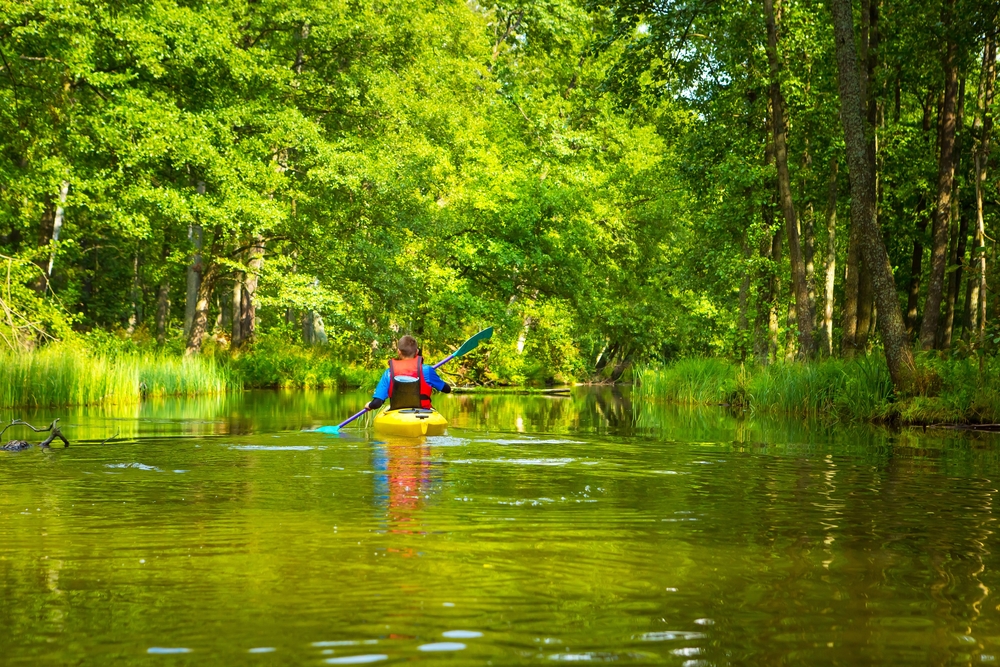
Equally important are the recreational, cultural and quality-of-life values forests provide. They offer rugged and wild spaces for hiking, hunting, camping, fishing, birdwatching, mountain biking and tourism. These activities keep people happy and healthy, as well as generating billions for local economies.

Forests also strengthen community identity and public well-being by offering scenic beauty, shade, quiet and accessible green space. Neighborhoods with mature forest canopy have higher property values, better mental health outcomes and stronger social cohesion. Once forests are cleared for sprawling subdivisions, these cultural and recreational benefits are permanently diminished.
Our nation’s immigration-driven population growth is fueling urban and suburban expansion, which has become the principal factor contributing to deforestation in the United States. As development spreads outward irreplaceable forest functions are lost, leaving communities more vulnerable to flooding, pollution, extreme heat, declining biodiversity and declining quality of life. Unless excessive immigration rates are reduced, urban sprawl and deforestation will continue.

Related Resources
 Articles
 February 3, 2023


 Facebook
 LinkedIn
 Tweet
Tweet
 Email
Email
 Print
Print
 Videos
 Factsheets